Clinicians, inundated with
information in the form of over-stuffed electronic medical records, lab and
imaging results, medical websites, decision trees, algorithms, screening
guidelines, and best practice pathways have a responsibility to carefully
evaluate that information and ask whether it is good, and what can be done with
it, and — most importantly — whether it is applicable to our singular patient
now.
—Dr. Faith
Fitzgerald, “Medicine: The Greatest of Humanities”
To start this discussion, let me say that I believe I am a blessed generation of doctor who was trained in an era when
technology was just entering in medicine. We saw an exponential increase in availability of
technology and dare I say “dependence on
technology” in the last 3 decades.
Healthcare has changed dramatically
because of technological developments, from anesthetics and antibiotics to
magnetic resonance imaging scanners and radiotherapy to new drugs and
treatments, new device, new social media support for healthcare...the list goes
on and on.
So being a clinical bedside physician, we went on
to adapt the various investigations and interventions. However while these changes occurred one thing remained constant “The
Patient” as caretaker and “The doctor” as primary caregiver.
I used to see outpatients something like this...
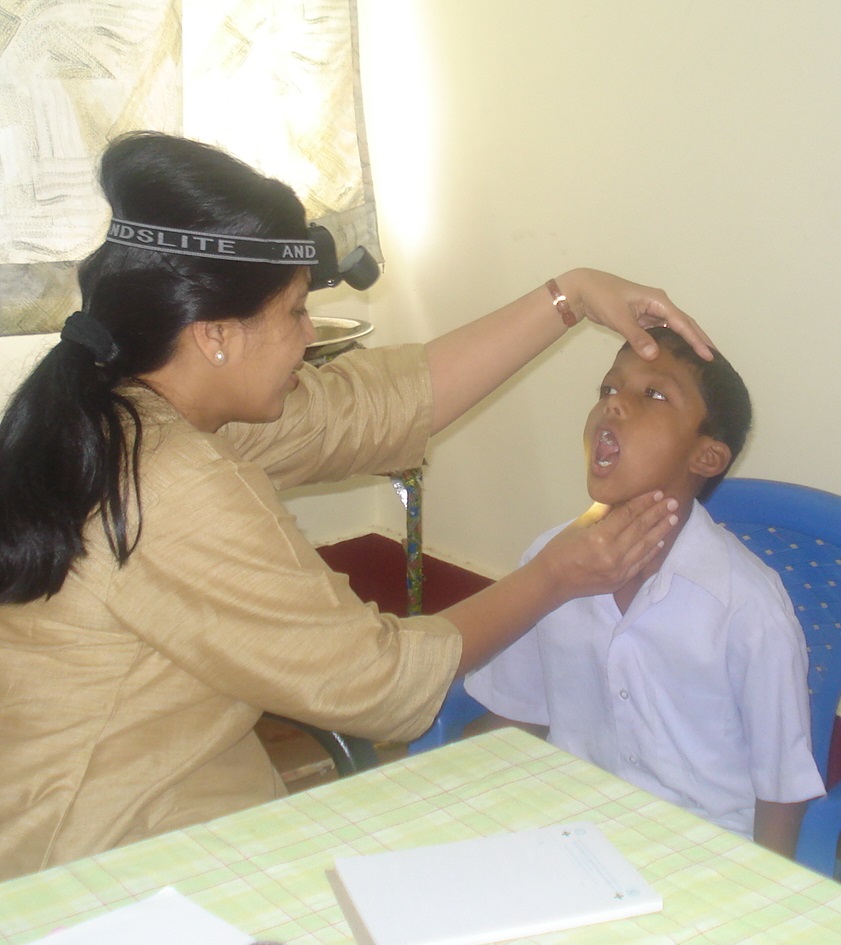
then it was something like this with telescopes and endoscopes as opd gadgets...

and reached to
 |
| I still examine patients in opd and interact with them as well...Above pictures depict the change in settings over a period of time. |
It will be naive of me to say technology is not required but it is the clinician’s responsibility to use it sensibly and appropriately case –specific. The best example everyone has been quoting is radiology scans. We need to correlate with clinical history and examinations. Without proper examination, ordering scans is futile. We will pick up coincidental findings and then what do we do with them?
To use and apply new interventions, the clinicians have to regularly upgrade their skills. Also comes a time to store and save this information. Many clinicians in our country are still finding it difficult to come in terms with Electronic Medical Records. There are various issues with this form of data storage but at the same time we can lists its benefits as well. If it makes things efficient and eligible and reproducible, it also takes way the “Doctor-Patient” interaction time.
I feel that there is no substitute to be at the patient’s bedside and to get to know the
patients and their families. The priority is to understand the subltleties of
their illness and not just their altered path of physiology. Once we understand and form a clinical impression, we need to carefully chose a test or an intervention.
The discussion of overuse of technology will exist but we also know the fact that technologies in the coming decades will multiply, we are already talking about role of artificial intelligence in medicine.
What better quotes shall I leave this debate with expressing both the parties involved:
“The trouble with many doctors is not that they do not know enough but that
they do not see enough.”
—Sir Dominic Corrigan
(emphasis added) suggesting the role and responsibility of doctor
“I have a non-negotiable final
position in this debate. When I fall ill, I want a disciplined intellect at my
bedside, and I care less for how gentle she or he may lay on hands. I have less
need for anointment than I have for the disciplined use of knowledge and for
well-honed judgment. Empathy gives me little comfort in the face of the devious
puzzles nature can throw at the physician.”
—J.
Michael Bishop indicating the need of trust
I would love to hear from both patients and doctors – about
what is the way forward to improve patient care and doctor-patient relationship.


